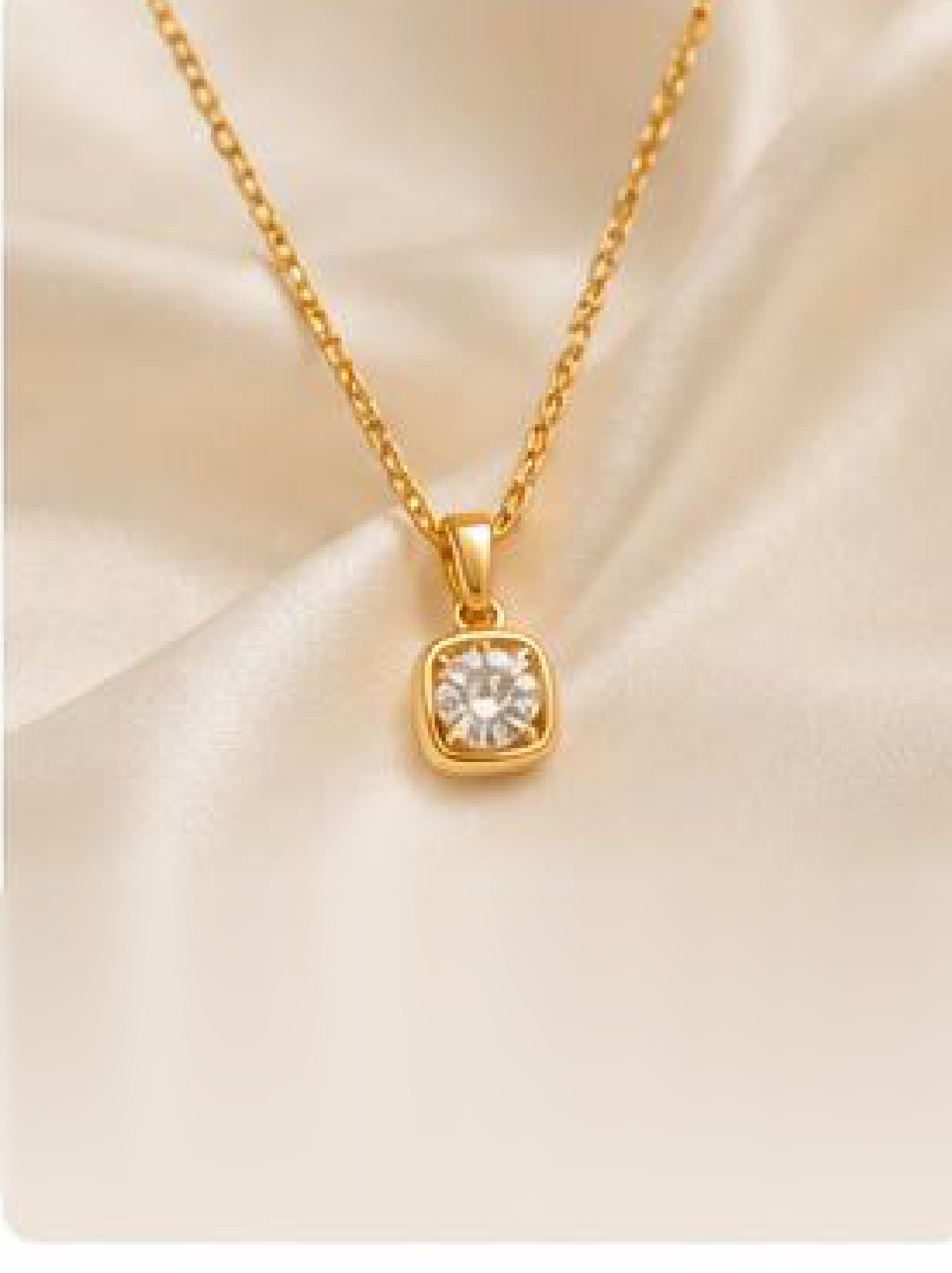
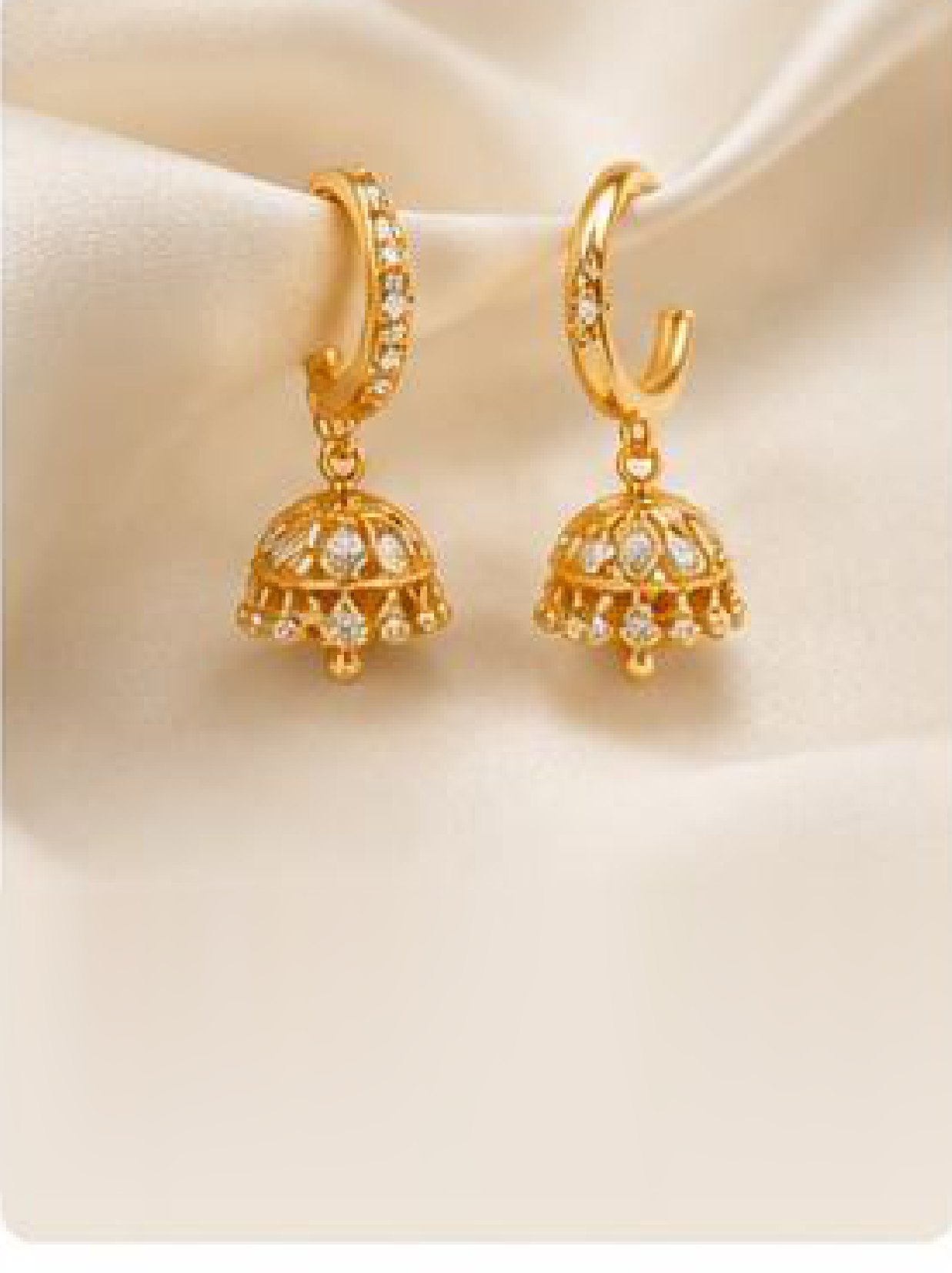
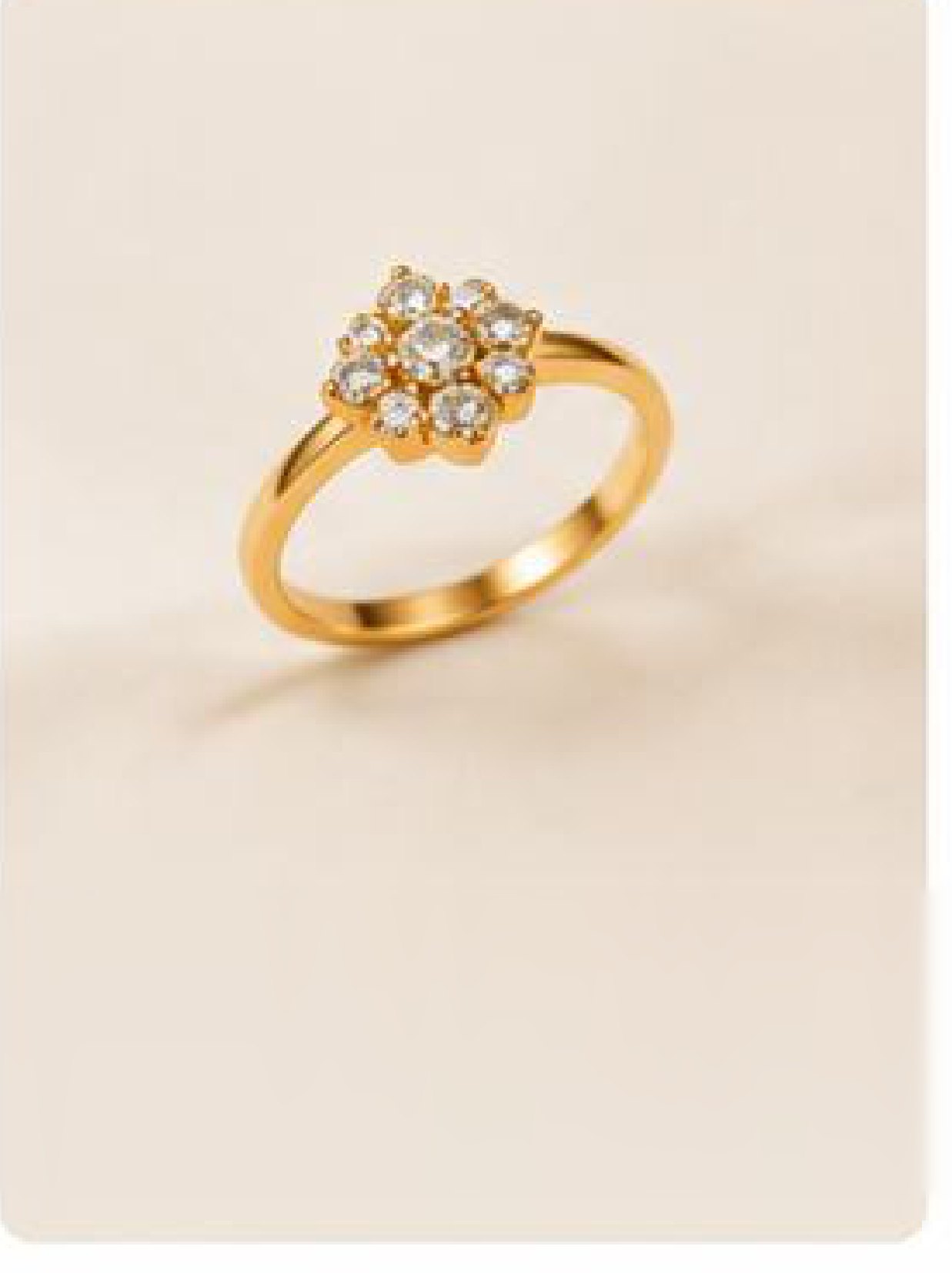
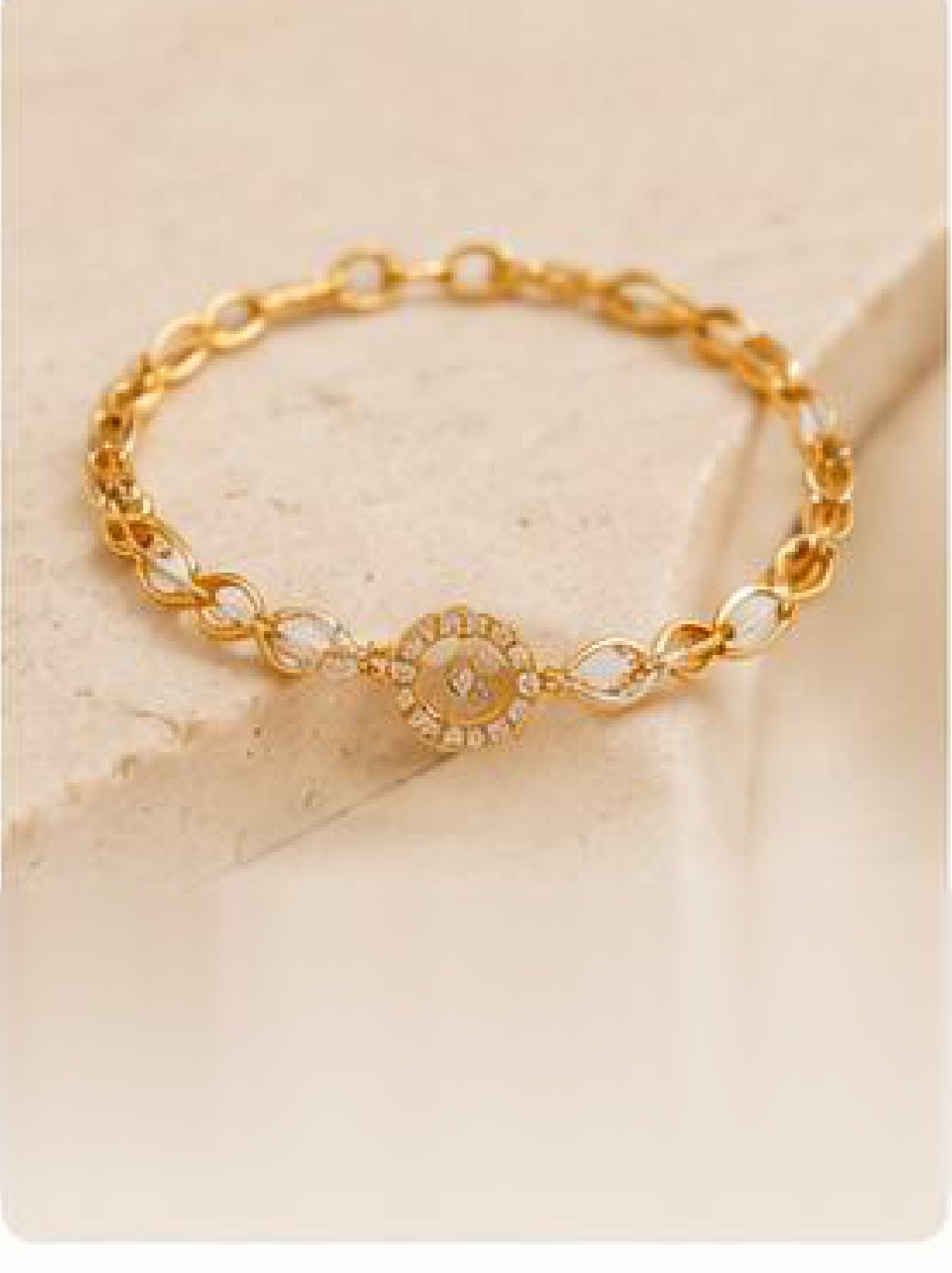
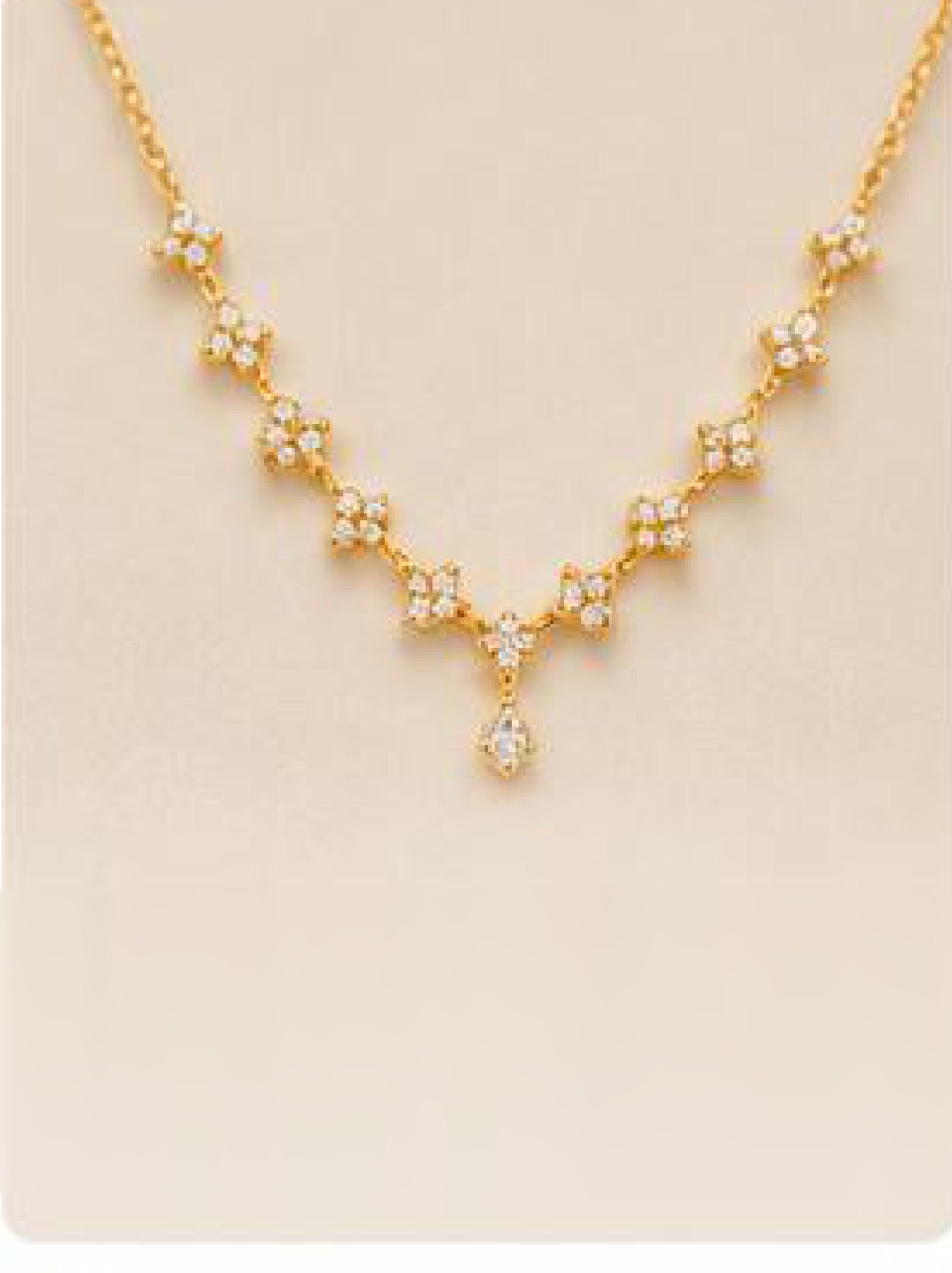
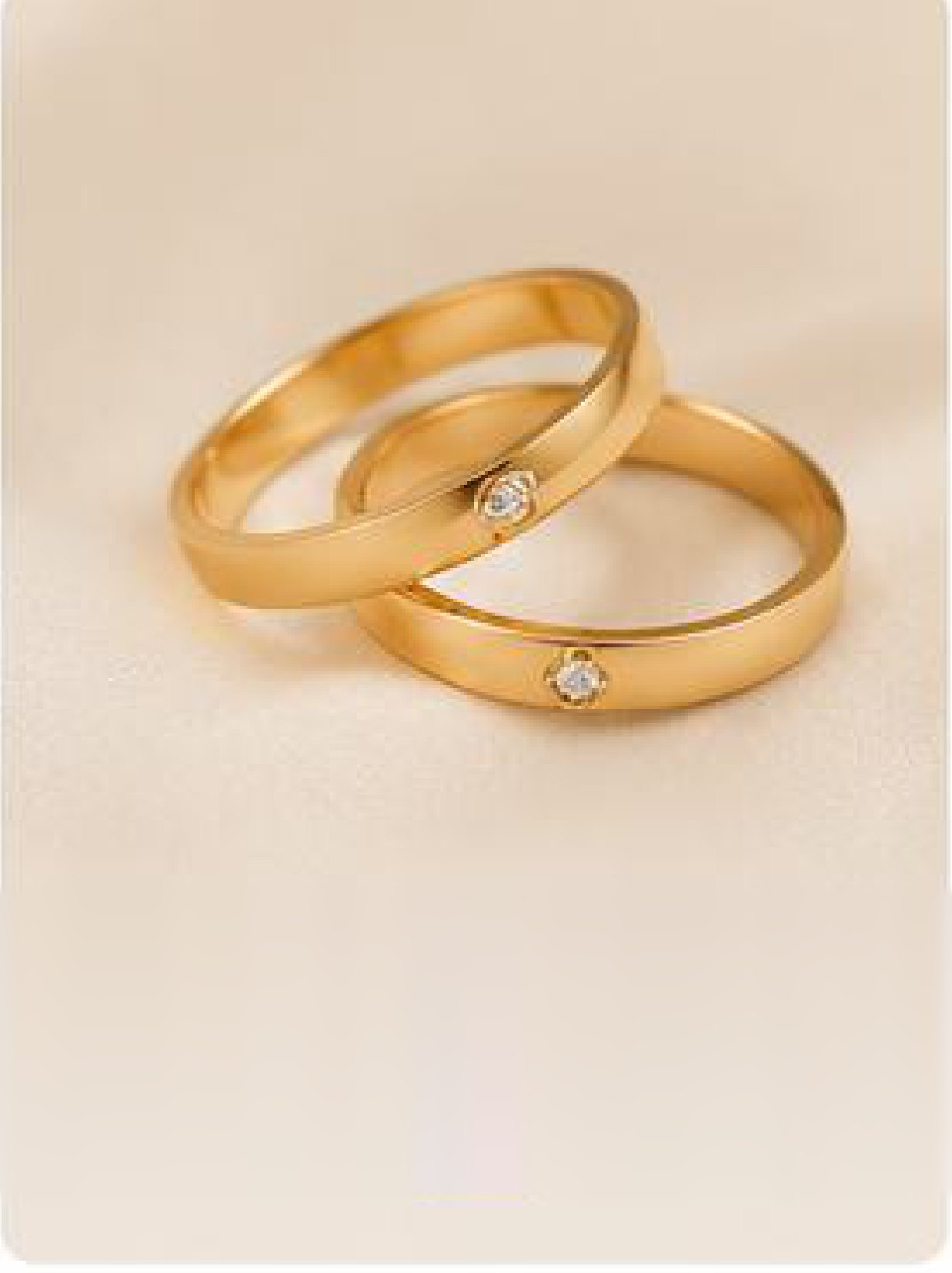
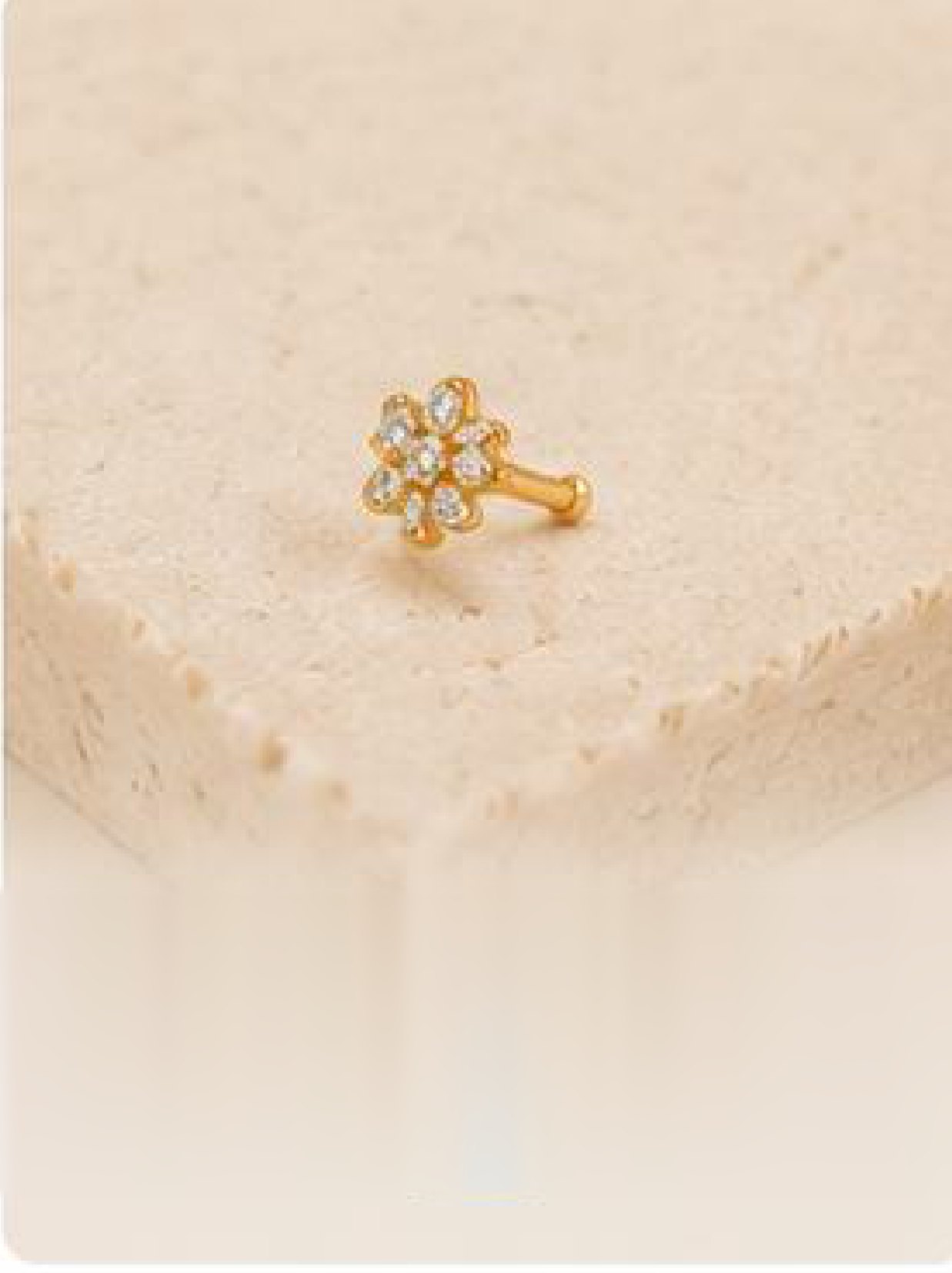
A certificate can list a diamond’s grades in a single line; understanding what those grades mean on your hand takes a little longer. This is the guide we give our own team.
Cut: the one that makes it sparkle
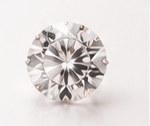
Cut is not the shape — round, oval, pear — but how well the facets are angled to return light. It is the single biggest influence on sparkle and the one C we never compromise on. Every round diamond we set is cut Very Good or Excellent.
Colour: less is more
Diamonds are graded from D (colourless) to Z (visibly tinted). In yellow or rose gold, a G–H stone looks perfectly white and costs considerably less than a D. In white gold or platinum, where the setting reflects into the stone, F–G is the sweet spot.
Tip: Compare stones side by side, not one at a time. A single H diamond looks white; next to a D you may see the difference — and decide it does not matter to you.
Clarity: eye-clean is the goal

Most inclusions are invisible without magnification. We select VS and better for solitaires, where the stone is large and open, and SI1 eye-clean stones for smaller accent diamonds where nobody will ever look with a loupe. Paying for flawless clarity in a 2 mm stone is paying for nothing you can see.
Carat: weight, not size
Carat measures weight. Two one-carat stones can face up quite differently depending on cut. A well-cut 0.90 ct can look as large as a deep-cut 1.00 ct and cost less. Look at the millimetre diameter on the certificate as much as the carat weight.
Buy the best cut you can, the colour your metal needs, the clarity your eye needs — and let carat follow the budget that is left.
Every diamond piece at Trimaani ships with its IGI certificate, and our product pages list all four grades. If a listing does not show them, ask us — we will always tell you.