


BRACELET SIZE SUGGESTION
Women's Bracelets & Cuffs Size
Men's Bracelets Size
How to Measure Bracelet Size
- Getting an accurate wrist measurement is essential for selecting a bracelet that fits just right. Follow these simple steps to determine your ideal bracelet size:
Step 1: Get a Measuring Tape
Begin with a soft, flexible measuring tape — the kind commonly found in sewing kits. If one is not available, a thin strip of paper or a length of string paired with a standard ruler will work just as well.
Step 2: Measure Your Wrist
Place the measuring tape around the broadest section of your wrist, typically located just above the wrist bone. When using paper or string instead, loop it firmly around your wrist and note the exact point where the ends meet. Lay the strip flat against a ruler to record your wrist circumference.
Step 3: Add an Inch or Two
Once you have your wrist circumference, you will need to factor in additional length for comfort. As a standard guideline, add 1/2 inch to 1 inch (1.27 cm to 2.54 cm) beyond your measured wrist size to arrive at your ideal bracelet length. This extra allowance ensures the bracelet sits comfortably without feeling restrictive.
Also consider the specific bracelet style you are shopping for. Various designs can call for slightly different sizing, so factoring in the bracelet type is an important part of the measurement process.
Understanding Bracelet Sizing
- Bracelets are offered in a range of standard sizes, and knowing what each size corresponds to will help you make a confident choice. Below is an overview of the most widely used bracelet size categories:
- Small: Designed for wrists measuring up to 6 inches (15.24 cm) in circumference
- Medium: Suited for wrists measuring between 6 to 7 inches (15.24 cm to 17.78 cm) in circumference
- Large: Ideal for wrists measuring between 7 to 8 inches (17.78 cm to 20.32 cm) in circumference
- Extra-large: Accommodates wrists measuring over 8 inches (20.32 cm) in circumference
- Please note that these categories serve as general reference points and can differ across brands and bracelet designs. For the most precise fit, we recommend consulting the detailed size chart provided by Trimaani or the specific jeweller.
Different Bracelet Styles and Sizing Considerations
- The world of bracelets spans many distinct designs, and each one comes with its own sizing nuances. Here is a closer look at several popular bracelet types along with guidance on choosing the correct size for each:
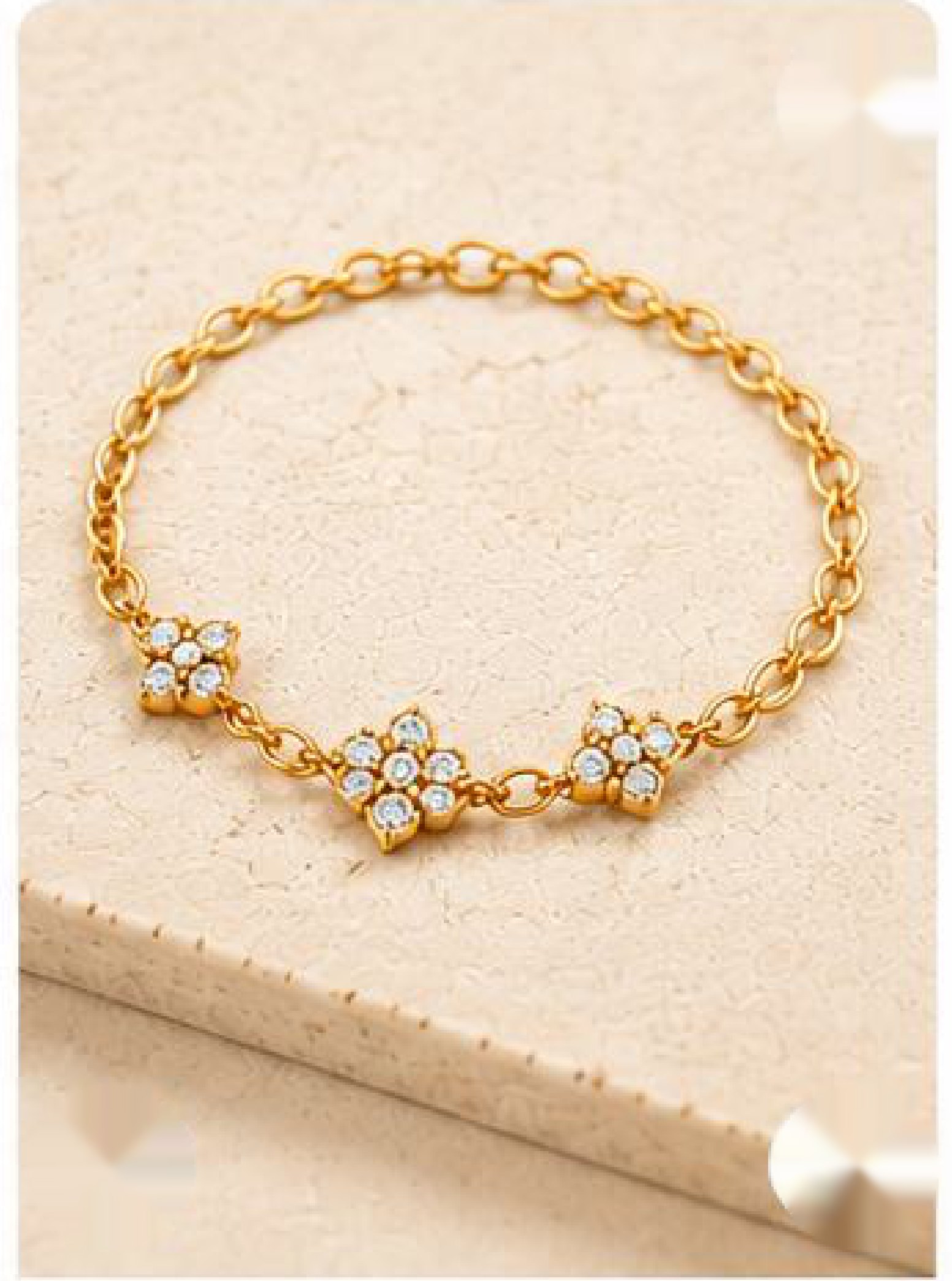
- Chain Bracelets: Chain bracelets consist of interconnected links and often offer flexibility in sizing. To pick the right fit, use your wrist measurement from the steps above and add length based on whether you prefer a snug or relaxed drape. Many chain bracelets also feature a built-in extension chain that provides further room for adjustment.
- Bangle Bracelets: Bangles are solid, circular bracelets that slide over the hand and rest on the wrist. For an accurate bangle size, measure across the widest span of your hand — generally around the knuckles — and allow a bit of extra clearance so the bangle glides on and off with ease. A reliable approach is to select a bangle that is 1/4 to 1/2 inch (0.64 cm to 1.27 cm) larger than your hand measurement for a comfortable, wearable fit.
- Beaded Bracelets: Beaded bracelets feature individual beads threaded together, and most styles do not include a clasp. To choose the right size, take your wrist measurement as outlined above and add a small amount depending on how closely you want the bracelet to sit. Bear in mind that bead diameter varies between designs, which can influence the bracelet's overall length, so account for bead size when making your selection.
- Cuff Bracelets: Cuff bracelets have an open design that allows you to gently widen or narrow them for a tailored fit. Measure your wrist circumference and allow a small margin for everyday comfort. Ideally, opt for a cuff that is slightly narrower than your wrist measurement so it stays securely in place without sliding around.
- Leather Bracelets: Leather bracelets generally include a buckle or clasp mechanism that makes the fit easy to personalise. Take your wrist measurement and look for a leather bracelet offering several size settings, or pick one that runs a touch larger if you favour a more relaxed feel.
- Tennis Bracelets: Tennis bracelets showcase an unbroken row of gemstones or diamonds and are secured with a clasp. For the best fit, measure your wrist and add approximately 1/4 to 1/2 inch if you prefer the bracelet to sit close to the skin, or 3/4 to 1 inch if you like a more relaxed drape.
- Watch Bracelets: Watch bracelets are generally offered in standard widths determined by the watch case diameter. Take your wrist circumference measurement and select a bracelet that corresponds to your size, or remove or add links where the design permits.
Conversion table
| Wrist Size | Bracelet Size (Without Charms) | Bracelet Size (With Charms) | cm | inch | cm | inch | cm | inch |
|---|---|---|---|---|---|---|---|---|
Conversion table 2
| Actual Wrist Measurements | Bracelet Size |
|---|---|
Conversion table 3
| Actual Wrist Measurements | Bracelet Size |
|---|---|